
Reducing Retinal Blindness Worldwide
- Retina Research Foundation
- About RRF
- Pilot Study Grants
- Grant Recipients 2026
- Yingbin Fu, PhD
- Wei Li, PhD
- Yuqing Huo, MD, PhD
- Rinki Ratnapriya, PhD
- Rui Chen, PhD
- Wenbo Zhang, PhD
- Curtis Brandt, PhD
- Lih Kuo, PhD
- Timothy Corson, PhD
- Jianhai Du, PhD
- James Monaghan, PhD
- Seongjin Seo, PhD
- Andrius Kazlauskas, PhD
- Ann C. Morris, PhD
- Christine Sorenson, PhD
- Jeffrey M. Gross, PhD
- David M. Wu, MD, PhD
- Kinga Bujakowska, PhD
- Eric Weh, PhD
- Ching-Kang Jason Chen, PhD
- Jakub K. Famulski, PhD
- Thanh Hoang, PhD
- Georgia Zarkada, MD, PhD
- Eleftherios Paschalis Ilios, PhD
- Oleg Alekseev, MD, PhD
- Erika Tatiana Camacho, PhD
- Patricia R. Taylor, PhD
- Elizabeth Vargis, PhD
- Ximena Corso Díaz, PhD
- Michael Landowski, PhD
- Brian Perkins, PhD
- Carlos S. Subauste, MD
- Rebecca Voorhees, PhD
- Publications
- Grant Guidelines and Information
- Grant Application
- Grant Recipients 2026
- Research Programs
- Contact Us
- Giving
- RRF History
- Home
Carlos S. Subauste, MD
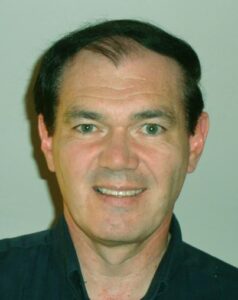 Departments of Medicine and Ophthalmology
Case Western Reserve University
Cleveland, OH
BASIC RESEARCH PROJECT
Manipulation of host cell signaling as novel treatment against ocular toxoplasmosis
Research Interests
Ocular toxoplasmosis (OT) is the leading cause of infectious retinitis worldwide. OT is caused by the intracellular parasite Toxoplasma gondii. OT causes blindness in 24% of patients. The presence of a parasite reservoir (tissue cysts) in the retina explains why OT recurs in 79% of patients. Unfortunately, current treatment protocols with antibiotics do not improve visual outcome and cause significant dose-dependent side-effects. Another major drawback is that while antibiotics act against the tachyzoite form of T. gondii, no antibiotic has activity against tissue cysts indicating that antibiotic treatment alone does not prevent disease relapse. Thus, there is a need to identify a novel approach to treat OT that is effective, well tolerated, and improves visual acuity, prevents relapse of the disease.
Plans for 2026
T. gondii activates host cell proteins including Src to avoid killing by autophagy within host cells. Indeed, the Src inhibitor Saracatinib kills tachyzoites and reduces OT. However, drugs that inhibit host signaling proteins may carry a risk of toxicity.
Dr. Subauste proposes to identify a regimen that is not only effective and well-tolerated against OT, but also destroys cysts, preventing disease relapse. Dr. Subauste’s hypothesis is that low concentrations of Saracatinib and low concentrations of antibiotics (to minimize the risk of side-effects) cooperate to ablate host cell signaling activated by T. gondii to evade killing by autophagy. The cooperative effect of the antibiotic-Saracatinib combination would induce robust activation of autophagic degradation of not only tachyzoites but also cysts. Moreover, treatment of mice with OT with low doses of Saracatinib and antibiotics would cause optimal control of OT and prevent disease relapse.
Dr. Subasute will determine how low concentrations of Saracatinib, and antibiotics cooperate to inhibit host cell signaling enabling killing of T. gondii tachyzoites by autophagy. His research also will determine whether the combination of Saracatinib and antibiotics destroy T. gondii cysts via autophagy. Lastly, he will evaluate whether the combination of low doses of Saracatinib and low doses of antibiotics optimally control OT and prevent disease relapse.
